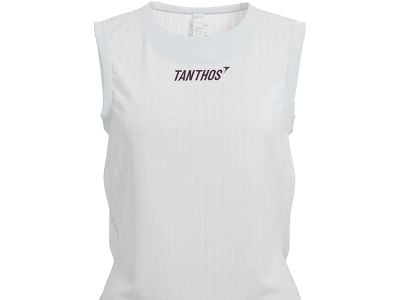
Understanding Performance Standards for Cycling Protective Clothing
When it comes to cycling, safety should always be a top priority. Wearing the right protective clothing can help reduce the risk of injuries and improve comfort during every ride. Modern cycling apparel is designed not only for style but also to meet specific performance standards that ensure durability, protection, and functionality. Understanding these standards can help cyclists make informed decisions when choosing their gear.
How Performance Standards Impact the Quality of Cycling Protective Gear
Performance standards play an important role in ensuring that cycling clothing provides the protection and comfort riders need. These standards evaluate factors such as durability, weather resistance, flexibility, and overall fit.
For example, a high-quality cycling jersey hould be lightweight, breathable, and capable of wicking moisture away from the body. It should also allow freedom of movement while maintaining a comfortable fit. Protective outerwear, such as cycling jackets, should provide resistance against wind and rain while remaining flexible enough for active riding.
Fabric quality is another important consideration. Some materials are designed to stretch for improved comfort, while others offer enhanced abrasion resistance to help protect riders in the event of a fall. Properly tested cycling clothing helps ensure a safer and more enjoyable riding experience.
Performance-tested fabrics allow sweat to escape while maintaining comfort during long rides. When cycling apparel meets recognized standards, riders can trust that the garments have been designed with both performance and safety in mind.
What Common Usage Issues Should You Consider When Buying Cycling Clothing?
Selecting the right cycling apparel requires careful consideration of several factors.
Sizing and Fit
One of the most common challenges cyclists face is finding the correct size. Different manufacturers use different sizing standards, making it essential to consult sizing charts before purchasing. Clothing that is too tight can restrict movement, while garments that are too loose may create drag and discomfort during rides.
Weather Conditions
Cyclists should choose clothing based on the environments in which they ride. For rainy conditions, water-resistant jackets and moisture-repellent fabrics are essential. For warmer climates, lightweight and breathable materials help prevent overheating.
Riding Style
The type of cycling also affects clothing selection. Competitive riders often prefer aerodynamic designs that fit closely to the body, while recreational cyclists may prioritize comfort and versatility. Whether selecting a cycling jersey mens style for road cycling or a casual fit for weekend rides, comfort should remain a key consideration.
Durability
Frequent riders should invest in durable apparel that can withstand repeated use and washing. High-quality materials often provide better long-term value and improved performance over time.
What Certifications Matter for Professional Cycling Protective Clothing?
When evaluating cycling protective gear, certifications provide valuable information about product quality and safety.
CE Certification
The CE mark indicates that a product complies with European health, safety, and environmental protection standards. Clothing with CE certification has undergone testing to ensure it meets specific performance requirements.
Abrasion and Impact Resistance Standards
Some protective cycling garments are tested for abrasion resistance tear strength, and impact protection. These evaluations help determine how well the clothing may perform in the event of an accident.
Visibility Features
Many professional-grade cycling garments include reflective materials to improve visibility in low-light conditions. Enhanced visibility helps cyclists remain noticeable to drivers and other road users, improving overall safety.
Before purchasing cycling clothing, it is always beneficial to verify any applicable certifications to ensure the product meets recognized industry standards.
Where to Source High-Quality Wholesale Cycling Safety Gear
Finding reliable cycling safety gear suppliers is important for retailers, cycling clubs, and organizations purchasing in bulk.
Buy Directly from Manufacturers
Purchasing directly from manufacturers often provides better pricing and greater control over product specifications. It also allows buyers to verify quality standards more easily.
Research Customer Reviews
Customer feedback can offer valuable insight into product durability, comfort, and overall satisfaction. Reviews can help identify suppliers with a strong reputation for quality and reliability.
Evaluate Materials
Premium fabrics often deliver better moisture management, durability, and comfort. Wholesale buyers should carefully review material specifications before making purchasing decisions.
Bulk Purchasing Benefits
Many suppliers offer discounted pricing for larger orders. This can help businesses reduce costs while maintaining high product standards.
How to Evaluate Cycling Clothing for Safety and Comfort
When comparing cycling apparel, several important factors should be assessed.
Fabric Performance
High-quality materials should provide a balance of moisture management, and weather protection. Technical fabrics help regulate body temperature and improve comfort during extended rides.
Fit and Mobility
Properly fitted clothing allows unrestricted movement while maintaining aerodynamic efficiency. Riders should look for apparel that provides a secure but comfortable fit.
Protective Features
Some garments include additional padding or reinforced panels in high-impact areas. These features can provide extra protection and improve rider confidence.
Visibility
Bright colors and reflective elements improve visibility during early morning, evening, and low-light rides. Visibility features are particularly important for commuters and long-distance cyclists.
Style and Functionality
Modern cycling apparel combines functionality with attractive design. Whether selecting a performance-focused cycling jersey, a specialized cycling jersey mens option, or a comfortable womens cycling jersey, riders should choose products that balance safety, comfort, and style.
Conclusion
Performance standards play a critical role in the design and effectiveness of cycling protective clothing. By understanding factors such as fit, fabric quality, certifications, visibility, and durability, cyclists can make smarter purchasing decisions. Choosing high-quality cycling apparel helps improve safety, comfort, and performance, allowing riders to enjoy every journey with confidence. Whether you are searching for a professional cycling jersey, a dedicated cycling jersey mens design, or a premium womens cycling jersey, investing in well-tested gear is essential for a safer and more enjoyable cycling experience.
Table of Contents
- Understanding Performance Standards for Cycling Protective Clothing
- How Performance Standards Impact the Quality of Cycling Protective Gear
- What Common Usage Issues Should You Consider When Buying Cycling Clothing?
- What Certifications Matter for Professional Cycling Protective Clothing?
- Where to Source High-Quality Wholesale Cycling Safety Gear
- How to Evaluate Cycling Clothing for Safety and Comfort
- Conclusion