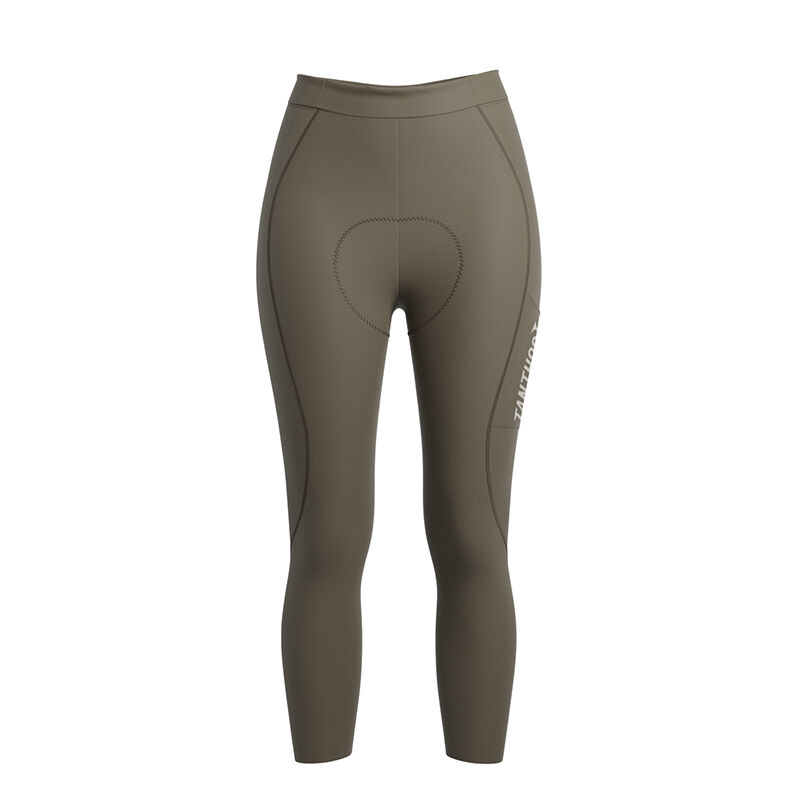
Put on a few hours of stress on the systems of your clothing with a century ride, but clothing is just the portion of preparation. A proper garment, bike fit, pacing and nutrition along with a realistic weather plan make the best set up.
Start with the conditions
Be sure to check the weather forecast for the entire trip, not just the beginning. Make sure to check weather forecast for the entire route before selecting bib tights. The decision can be altered with temperature, wind, elevation, shade and when the finish will occur. Tights are handy in cooler, less covered areas or when it's cold out; however, these can be too hot for a hot century ride.
Bib shorts with leg warmers that can be removed might be more effective for situations that will see a significant increase in temperature. In cooler conditions, lightweight or thermal bib tights will help the rider to manage fewer items when it comes to riding.
Test the fit before the event
Don't use an unworn pair for a 100 mile journey. Do some of the shorter rides and one of the longer ones in full kit. See if the straps pull, feel if knees are limited, see if ankles "ride up" when climbing or descending, or see if the chamois moves when climbing or descending.
The jacket must still fit the rider's body when in the riding position. The wrinkle at the back of the knee can be an irritating wrinkle and a pad placed too far forward or backward can rub. A hot spot that doesn't go away is not a case of more padding needed, but is a warning sign that the size, pattern, saddle or bike fit are all questionable.
Evaluate the chamois realistically
The chamois used should have stable support, be moisture absorbent and not have sharp edges with the particular century in question. The density and form of the foam is more important than its thickness. Having the highest level of padding doesn't always mean it's the most comfortable choice for an individual rider.
There is no chamois that can guarantee a numb-free saddle or saddle pain free. Sacral shape, sacral tilting, reaching forward, position of handlebar, riding posture, and the amount of time in one position can be involved in those symptoms. Riders need to rotate their body from time to time, and when numbness occurs, deal with it immediately.
Plan the whole ride
There is no clothing that can substitute for pacing and fueling. Start at a pace that's comfortable, follow a eating and drinking plan, and take a layer suitable for resting stops or descents. After a few hours, sun protection, gloves, socks and shoe size are just as significant as bib tights.
A small repair kit and a good plan for the route also help to reduce stress. Riding comfort is enhanced when the rider is not forced to hurry, leave meals at the table behind, or stay in the open in the event of a mechanical failure. It's not about the garment but how it supports the ride.
A useful specification for century products
For endurance brands, the specification should include a range of parameters including climate, rider posture, duration, chamois location, panel stretch, seam locations, pocket access, reflective features, and washability. Wear trials should be more than one body shape and should be carried out with feedback collected and not only with one sample rider.
Tanthos offers you OEM and ODM services for customized cycling apparel. Prior to manufacture, approve fitted sample, size set, fabric/ chamois references, artwork, labeling, packaging and performance claims to be used in marketing.
Frequently asked questions
Should riders use new bib tights for a century
No. Test the whole kit on multiple rides before. After riding long distances, you will discover the pressure of the straps, the movement of the chamois, restriction of kneecap, overheating and pocket problems.
How much padding is best for 100 miles
There is no standard thickness. The fit of the garment, posture, saddle fit, shape of the rider, shape, density, and placement are more important than the maximum foam volume.
Are full-length tights necessary for a century
Only if needed for the circumstances. Warm conditions will more readily benefit a pair of bib shorts, whereas cool or exposed routes will benefit from lightweight or thermal tights.
About Tanthos
Tanthos is an OEM/ODM designer and manufacturer of cycling clothing for brands and teams. Product specifications, material availability, scope of certification, sampling, cost and production terms should be checked for each project. For more information visit www.tanthos.com.