The Cycling Kit: Social Badge or Functional Skin?
Release time: 07 12, 2026
Release time: 07 12, 2026
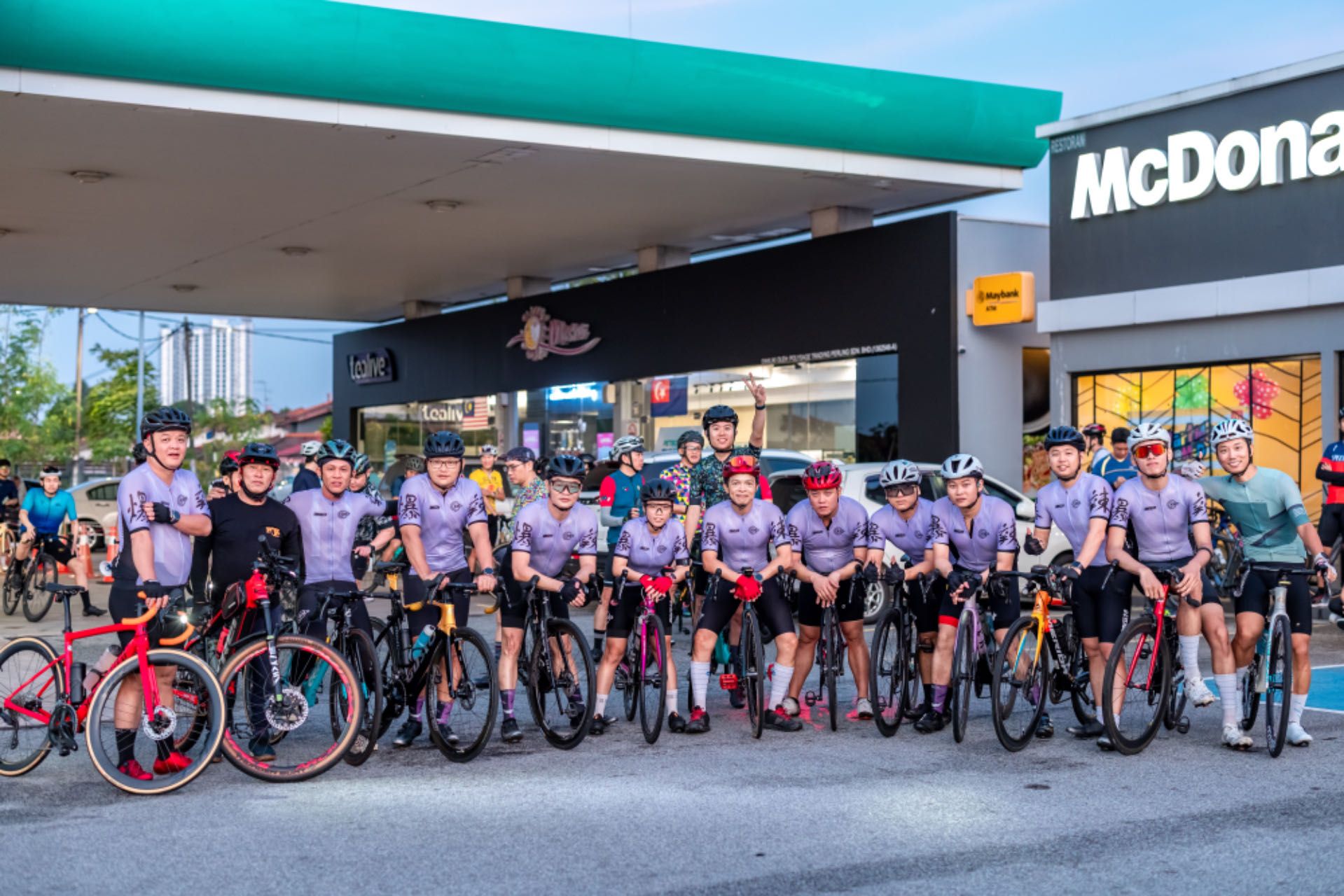
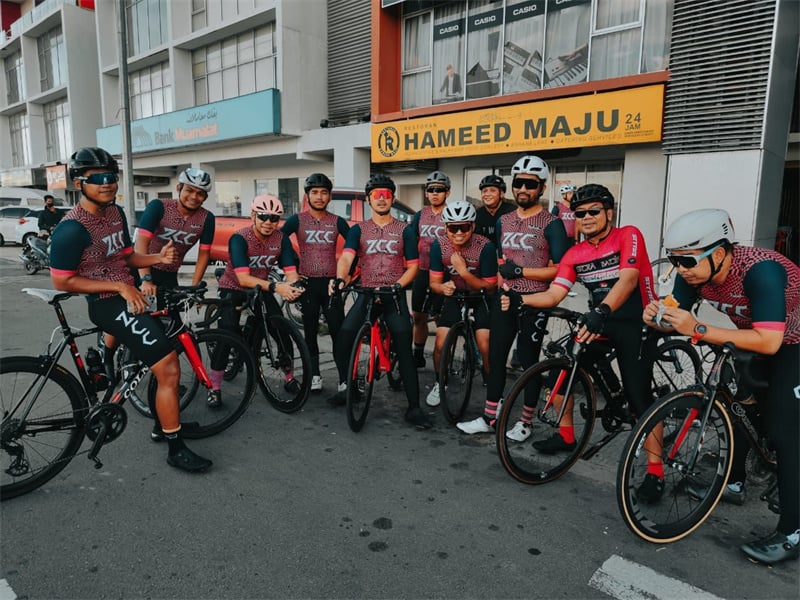
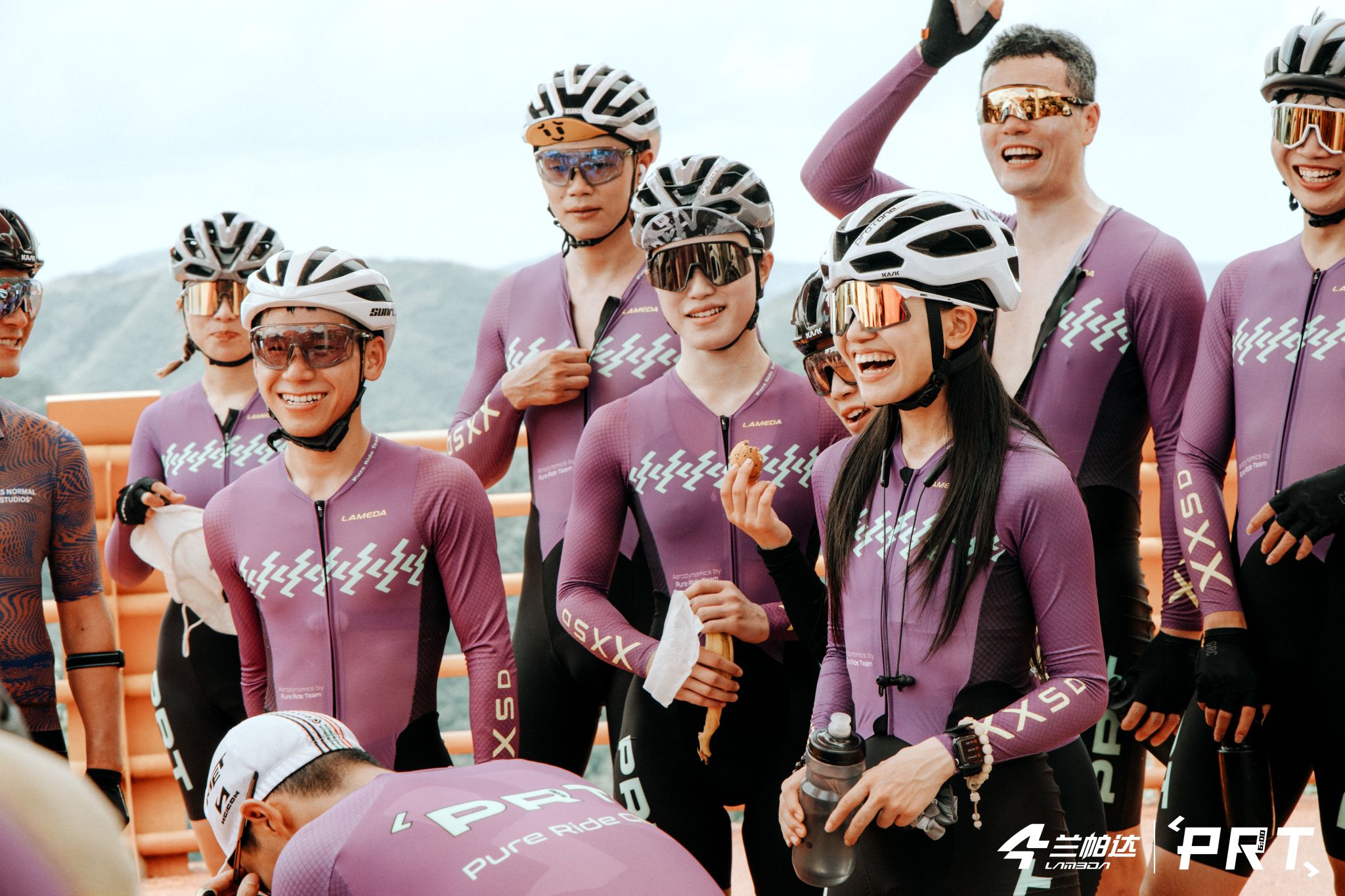
The modern cycling kit embodies a powerful paradox: it is both a SocialPassport and a. On the road, it functions as a fluid, non-verbal language. A distinctive jersey or pair of bib shorts can instantly signal tribe, skill level, and ethos, forging connections with a single glance. Yet beneath this social layer lies the true revolution: advanced kits are integrated WearablePerformanceSystems, acting as a critical functional extension of the rider’s physiology.
The core evolution is a shift to ActivePerformanceArchitecture. Demands have moved beyond moisture-wicking. The frontier is ActiveMicroClimateManagement—fabrics that actively cool or insulate—and DynamicBiomechanicalEngineering. This means pattern cuts and compression zones that work in synergy with specific muscle groups, reducing vibration, delaying fatigue, and enhancing power transfer. It’s engineering, not tailoring.
Concurrently, the kit is the ultimate CulturalToken within cycling’s EconomyOfIdentity. In a digital age, it provides a tangible, high-visibility badge of belonging. It validates commitment, signifies shared values, and strengthens the collective ritual. This social-currency aspect fuels demand for distinct design, allowing riders to “wear” their community affiliation as proudly as their ambition.
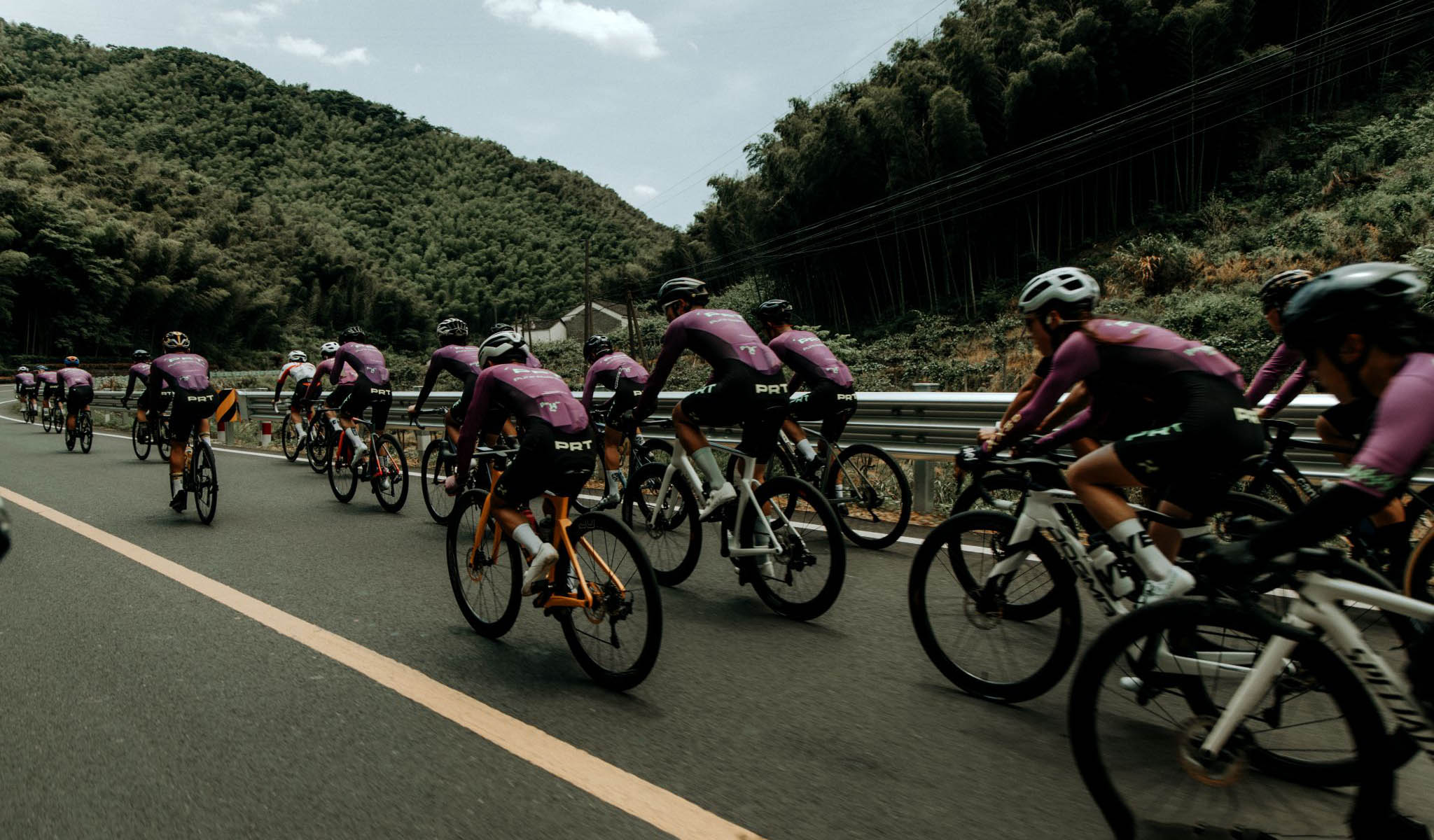
So, a badge or a skin? It fulfills a DualMandate. The “badge” represents cultural demand—the desire for identity. The “skin” is the technological response to performance challenges. The future lies at this intersection, where the science that protects the rider is woven into the identity they project. This symbiotic push-and-pull propels evolution. The kit becomes the most direct dialogue between rider and maker.
Ultimately, every kit is a compromise. For you, what is the one non-negotiable element— SeamlessBiomechanics or IconicAesthetics? Where does true performance lie?
Curious to hear all perspectives. What’s your take?