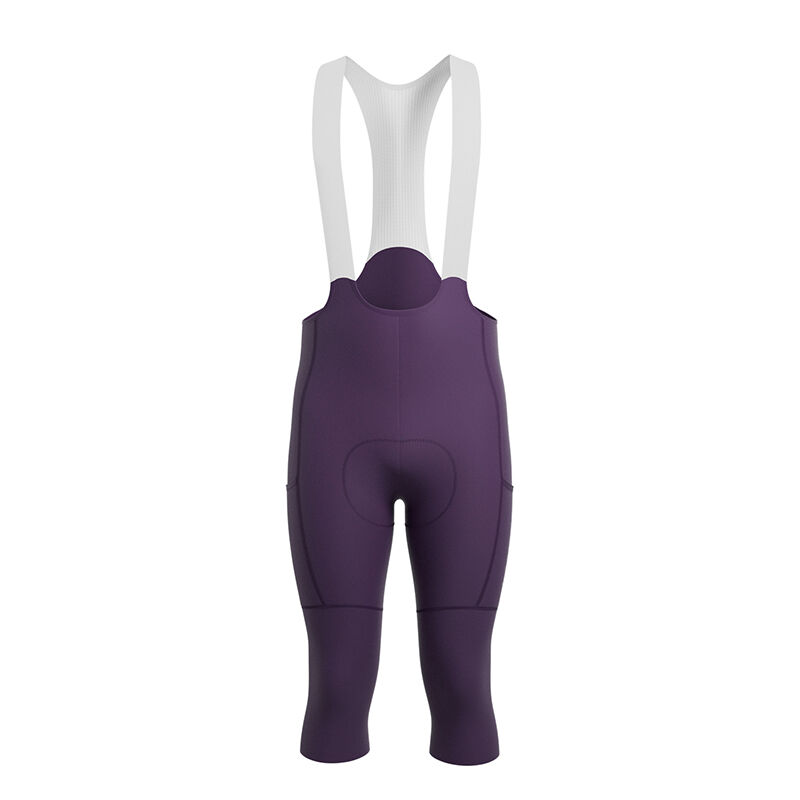
Season labels are good for your clothes, but not precise enough to pick out cycling tights. The rider should take into account the temperature, wind, moisture, effort, direction of the route and the real fabric construction of the garment.
Think in conditions rather than calendar dates
During the spring, the temperature may be lower than that in winter in one area and higher than that in autumn in another. Mountain descents which are shaded can also feel very different from a sheltered urban route. Rather than use a month or temperature criterion, consider the entire ride and the warmest and coldest conditions that are likely to be experienced.
Personal tolerance matters. New riders may wear more clothing and/or riders performing a high effort may require increased ventilation. Even though the air temperature appears relatively mild, it could be uncomfortable in wet and windy conditions.
Spring
Lightweight bib tights are great for cold mornings, windy sections and days when it is preferred to wear them under full coverage. Fabrics with moderate wind resistance tend to be more versatile than those with heavy brush on them for winter.
Bib shorts that can be rolled up in the knee or leg with removable knee or leg warmers might be easier to control if the afternoon will be much warmer. On routes with a long stop or variation in altitude packable layers are particularly useful.
Fall
Weather in fall is frequently cooler, daylight is shorter, and windy. If you want to be covered but not too heavy, midweight tights can be a comfortable option. Rides start and end in low light where reflective elements and lights play a greater role.
Rain is an additional factor to take account of. Bib tights will dry quickly or withstand a splash, but not necessarily be called waterproof unless specifically designed and tested for waterproof properties.
Winter
Thermal bib tights are generally made of a thicker or a brushed material that keeps temperature better. Wind-resistant panels can be beneficial on the front of thighs and knees, but may also decrease breathability. The rider should take into consideration rider protection while considering how much heat is produced during riding.
Tights are just one of the components when it comes to severe cold. There may be more important aspects, such as base layers, jackets, gloves, socks, shoe covers, head protection, and route planning. Clothing is not a decision to be made in icy conditions, with poor visibility or as a result of extended exposure.
How to read a product description
Specifications that are useful include fabric weight, inner face (brushed or smooth), air permeability, stretch, drying properties, panel construction, and use range. The temperature recommendation should be used as a guideline and not as a definite.
Brands need to make specific briefs for lightweight, transitional and thermal tights. Tanthos has the ability to develop custom cycling apparel but should not be copied to a collection as the material, sample, applicable certifications, testing, and performance language should be verified for every model.
Frequently asked questions
Is there one temperature for switching to bib tights
What feels comfortable can change depending on No. Wind, Humidity, Sun, Effort, Route Exposure, Fabric Weight, Personal Tolerance.
Can the same tights work in three seasons
In extreme conditions, a lightweight transitional model can span a wide spectrum, but it won't be a breathable summer short or a thick winter tight.
Does a water-repellent finish make tights waterproof
No. The ability to bead up when exposed to water for a short period can be achieved by a finish, but the ability to be waterproof will also depend on the test results, openings, seams and fabric membrane.
About Tanthos
Tanthos is a cycling apparel manufacturer, offering OEM/ODM development support to brands and teams. Project-specific product specifications, material availability, scope of certification, sampling, price and production terms should be confirmed for each project. Learn more at www.tanthos.com.