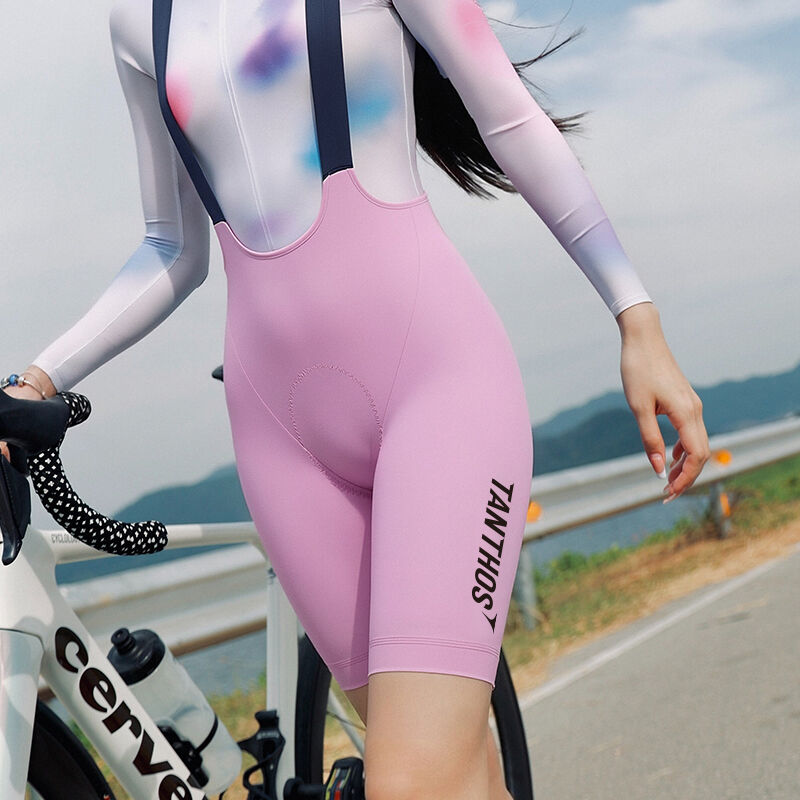
A chamois can help reduce pressure, moisture and friction and can make parts feel more comfortable, but thicker padding does not always result in comfort. For long-distance riders, they require a pad that fits their anatomy, posture, saddle and garment fit.
What a chamois is designed to do
The chamois is the soft fabric that's shaped into a padded bike bag or tights. In modern designs, the face fabric is made of foam and technical fabrics instead of leather. Their function is to offer goal-oriented support, minimize friction, and assist in the transport of moisture away from skin.
A chamois should be consistent when pedaling. The size of the garment, the pattern, or the placement of the pads, not the foam itself, might be the cause of the problem if it folds, slides, or is out of the main contact area.
Shape matters more than maximum thickness
Thick soft foam feels comfortable when first put on, but can compress or add bulk while riding. Multi-density construction can provide more support to the sit bones and softer to areas where it is required; however, the layout must be correlated to the desired riding position.
An aggressive road stance has a different pelvic rotation to an upright touring position. Pads can also come in various forms, depending on the body part's requirement. Brands should therefore not market one chamois to be applicable to every rider and to any discipline.
Moisture and friction
The long rides create heat and sweat production. Use of face fabric that will allow breathing, correct perforation, transitions that are smooth, and close garment fit can lower damp friction. The seams should not be over sensitive contact areas, and the edge of the pad should not be hard.
Cycling bibs are typically not worn underneath clothing as extra seams and fabric can cause moisture to become trapped. Wash after use, don't use fabric softener and change damp clothes quickly after the ride.
What a chamois cannot fix
No rider should use numbness, or persistent pain or pressure on soft tissues as an indicator of requiring a thicker pad. This can be due to saddle width and shape, saddle angle, reach, position of the handlebar, riding style and time spent in one position.
While a chamois can make a vehicle more comfortable for a driver, it will not ensure the vehicle is comfortable for the driver. Riders who experience a recurrent symptom should check their bike setup and get qualified advice (where applicable).
How brands should select and test a pad
Before choosing a chamois, clarify the riding occasion, position, length of use, rider type, selling price, and pattern of the chamois. Try more than one option in the actual shorts or tights, as a pad may react differently if it's sewn into a particular pattern.
Wear trials should document the placement, stability, heat and moisture and edge feel and comfort after repeated washing. Tanthos can incorporate chosen chamois features into unique cycling garments prototypes. Final claims should be based upon the approved pad specification and documented testing, not on general promises.
Frequently asked questions
Does a thicker chamois last longer
Not necessarily. The durability will vary based on foam quality, construction, washing and use. Thicker can also cause discomfort if it alters the rider's contact with the saddle.
Can one chamois suit road and gravel riding
Sometimes, but not always, posture, surface vibration and duration of riding may vary. Brands need to conduct a test of the pad in the intended garment and riding position.
When should a rider replace padded shorts
Replace them when the pad is no longer recoverable, fabric is no longer transparent or loose, seams are not holding, grippers no longer grip or chamois is no longer in proper position.
About Tanthos
Tanthos is a cycling apparel manufacturer, who offers OEM/ODM support for brands and teams. For each project, product specifications, availability of the product, scope of certification, sampling, price and production terms should be verified. Find out more on www.tanthos.com.